Sample syllabus (FSL / teacher education)
Outline of an FSL teacher education course aligned with Ontario expectations.
View / DownloadBA, B.Ed, MA, M.Ed, Ph.D Candidate
French as a Second Language (FSL) Education • Teacher Preparation • Comparative & International Education Policy
Eric Keunne is a teacher educator, K-12 School Principal in Ontario, Canada, and doctoral researcher whose work advances French as a Second Language (FSL) education, teacher preparation, and minority-language schooling. With nearly two decades of experience across Cameroon, the United Kingdom, and Canada, he bridges research, policy, and practice to strengthen the preparation and long-term retention of French-language educators.

Scholar-practitioner in FSL education and teacher preparation

Originally trained as a secondary teacher in Cameroon, Eric later completed graduate studies in International Development and Education in the United Kingdom before establishing his career in Canada across K–12 education, district leadership, and university teaching.
He bridges research, policy, and practice to strengthen the preparation, professional integration, and long-term retention of French-language educators—particularly in contexts shaped by linguistic diversity, migration, and equity imperatives.
University teaching, K–12 leadership, and policy engagement
My professional trajectory spans Cameroon (West Africa), the United Kingdom, and Canada, and reflects a sustained commitment to strengthening language education, teacher preparation, and educational equity across diverse institutional and sociolinguistic contexts. Across these settings, my work has consistently focused on how educational systems prepare teachers, support students, and respond to changing linguistic and social realities.
I began my career in education in Cameroon, where I trained as a secondary school teacher in French and English as second languages and developed an early interest in the relationship between language learning, identity, and social opportunity. This foundation led me to pursue graduate studies in International Development and Education at the University of Newcastle Upon Tyne (United Kingdom), where I deepened my engagement with comparative education, language policy, and the global dynamics shaping educational systems.
Since settling in Canada, I have worked across multiple levels of the education system, including classroom teaching, department leadership, district-level programming, school administration, and university instruction. This combination of international training, system-level leadership, and postsecondary teaching now informs both my research and my pedagogy, positioning my work at the intersection of schools, universities, and policy environments.
I have taught in both teacher education and French language programs, supporting students preparing to teach French in Ontario schools as well as undergraduate and adult learners developing advanced French proficiency.
FSL Instructor & Curriculum Developer
Course Director & Curriculum Developer, French Department
Research Assistant
French Language Instructor
Taught French language courses with adult learners across proficiency levels and designed communicative, CEFR-aligned curriculum emphasizing structured progression and learner autonomy.
Across these roles, my university teaching is characterized by:
Alongside my university teaching, I have built an extensive career within Ontario's K–12 education system, where I currently serve as a Principal in a French-language secondary school.
French-language secondary school, Ontario
French-language and English-language secondary schools
Supported instructional leadership, student engagement, and professional learning across departments.
Instructional Leader — Equity and Human Rights | Program Lead — Welcome Centre
Curriculum Leader
This sustained engagement in schools allows me to bring current classroom realities, curriculum demands, and institutional dynamics directly into my university teaching and research.
Beyond formal teaching and leadership roles, I am actively involved in professional organizations and policy-related initiatives connected to language education and teacher preparation.
Co-organizer and secretariat for an international conference on official bilingualism in Cameroon, bringing together scholars, educators, and policy actors to examine language policy and education in multilingual contexts.
Through these engagements, I aim to contribute not only to academic scholarship, but also to the professional and institutional ecosystems that shape language education in practice.
Taken together, my experience across Cameroon, the United Kingdom, and Canada has allowed me to work within different educational traditions while maintaining a consistent focus on language education, teacher preparation, and educational equity.
This trajectory informs my identity as a scholar-practitioner whose work connects classroom teaching, teacher education, educational leadership, policy engagement, and research on language and schooling. These experiences now shape both my teaching and my research, and they continue to guide my commitment to preparing educators who are pedagogically strong, socially responsive, and capable of working in diverse linguistic and institutional contexts.
Language education as intellectual formation and professional responsibility—including identity, intercultural understanding, and equitable access.
My teaching is grounded in the conviction that language education is both an intellectual formation and a professional responsibility. In French as a Second Language contexts, teaching extends beyond linguistic acquisition to include identity development, intercultural understanding, and access to educational, social, and professional pathways.
Shaped by nearly two decades of work across K–12 education, district leadership, and university teaching in Canada, as well as doctoral research on minority-language schooling, my approach recognizes that pedagogical decisions are inseparable from institutional structures, linguistic realities, and questions of equity.
Careful planning of learning goals, sequences, and assessment so that every lesson serves language development and learner agency.
Teaching that responds to diverse identities, backgrounds, and needs so all students can thrive in FSL and bilingual settings.
Bridging scholarship, policy, and classroom practice to strengthen teacher preparation and professional learning.
Ultimately, I view teaching as the formation of reflective practitioners, confident language users, and engaged citizens prepared to contribute to diverse educational communities.
Areas of sustained contribution across teacher education and schools
Course design, pedagogy, and practicum support for future FSL educators in Core, Extended, and Immersion contexts.
Development of university and college courses aligned with Ontario curriculum and OCT standards.
Mentoring teacher candidates in lesson design, assessment, and readiness for the practicum.
Leading and facilitating professional learning for practicing teachers and school leaders.
Advancing equitable access, identity-affirming practices, and inclusion in FSL and minority-language settings.
Sample syllabi, assignments, and resources — view or download
My teaching materials are designed to support the development of linguistic competence, pedagogical understanding, and professional readiness. Whether in French language courses or teacher education contexts, I approach course design as a structured process that connects disciplinary knowledge, instructional practice, and real educational environments.
Across my teaching, materials are developed to ensure that students not only acquire knowledge, but also learn how to apply it in authentic academic, linguistic, and professional situations. I therefore design syllabi, assignments, and assessment frameworks that make learning pathways visible and that support gradual progression from guided learning to independent practice.
Across courses, my teaching materials are guided by several core principles:
Students benefit from knowing what they are expected to learn and why each task matters.
Activities build sequentially so that students move from guided practice toward increasing independence.
Assignments connect academic concepts to teaching practice, curriculum expectations, and real educational contexts.
Students are encouraged to view learning as developmental, with structured feedback supporting improvement.
Teacher education materials reflect provincial frameworks, classroom realities, and expectations for professional practice.
These materials reflect my broader commitment to designing courses that are structured, inclusive, and professionally meaningful. By making learning processes visible and by connecting assignments to authentic contexts, I aim to help students:
Through intentional course design and carefully structured materials, my goal is to support students in becoming confident language users, reflective educators, and engaged professionals who are prepared to contribute to diverse educational environments.
Outline of an FSL teacher education course aligned with Ontario expectations.
View / DownloadStructured task for designing a lesson with clear assessment criteria.
View / DownloadRubrics that support clear expectations and learner progression.
View / DownloadA practical guide for FSL teacher candidates preparing for their first practicum placement.
View / DownloadModule 4 task: designing a complete learning cycle aligned with FSL course curriculum.
View / DownloadSummary of research findings for policy and practice audiences.
View / DownloadDoctoral and collaborative research in FSL, teacher integration, and language policy
Eric’s research focuses on the preparation, professional integration, and retention of French-language educators, with particular attention to internationally educated teachers and minority-language schooling. His work sits at the intersection of teacher education, language policy, and equity.
Drawing on sociolinguistic, educational, and policy perspectives, my research examines how teacher preparation structures, certification pathways, and institutional expectations shape both teacher development and student opportunity in minority-language contexts.
My doctoral research in Francophone Studies at York University examines the professional integration of internationally educated teachers in Ontario's French-language and French immersion school systems.
Using qualitative and ethnographic approaches, this project explores how teachers trained abroad:
By focusing on the experiences of teachers trained in Cameroon and comparable contexts, the project addresses broader questions of transnational teacher mobility, recognition of professional capital, and equity in access to the teaching profession.
This research contributes to ongoing discussions on teacher recruitment, retention, and workforce sustainability in French-language education in Canada.
Beyond the dissertation, my research program develops across three interconnected strands that together examine how language education systems function across policy, practice, and professional trajectories.
A central strand of my research focuses on how universities and school systems prepare teachers of French and support their development across the professional lifecycle.
This work examines:
Within this strand, I am developing a major research-informed project on explicit instruction in French as a Second Language education in Canada, examining how structured instructional approaches influence:
This research aims to contribute both to scholarly debates in second-language pedagogy and to practical tools for teacher education programs and school systems.
A second strand of my work examines how language policies are interpreted and enacted within educational institutions and classrooms.
This research explores:
Building on my previous publications in language policy and bilingual education, this strand contributes to comparative discussions across Francophone, postcolonial, and multilingual contexts.
A third strand of my research focuses on collaborative inquiry with schools, teacher education programs, and professional organizations.
I am particularly interested in projects that:
This approach reflects my belief that scholarship in education should contribute not only to academic knowledge, but also to professional practice, policy development, and community engagement.
My research program is supported by an active and growing record of scholarly work situated at the intersection of language education, bilingualism, teacher preparation, and educational equity. Across publications, edited volumes, conference presentations, and collaborative initiatives, I aim to produce scholarship that connects theoretical inquiry with professional practice and policy development.
Through this work, I seek to develop a sustained program of scholarship that is:
I am guided by the conviction that language education sits at the intersection of pedagogy, policy, and social inclusion. By examining how teachers are prepared, supported, and positioned within educational systems, my work seeks to contribute to more equitable and sustainable futures for French-language education in Canada and internationally.
Peer-reviewed work, edited volume, and refereed conference presentations
In addition to formal publications and conference presentations, my work involves ongoing collaboration with:
Through these partnerships, I aim to produce research that informs both academic debates and educational practice, contributing to stronger teacher preparation pathways and more inclusive minority-language education systems.
Student feedback, curriculum impact, mentorship outcomes, and institutional contributions
My teaching effectiveness is demonstrated through a combination of student feedback, curriculum impact, mentorship outcomes, and institutional contributions across university, professional, and school-based contexts.
Because my work spans teacher education, French language instruction, and K–12 leadership, evidence of effectiveness emerges not only from course evaluations, but also from program development, student professional success, and sustained engagement in instructional improvement.
Across settings, my teaching is consistently recognized as structured, responsive, and professionally relevant, with a strong emphasis on linking theory, curriculum, and classroom realities.
Written feedback from teacher candidates highlighting:
Peer observations and collegial feedback recognizing:
Across university teaching, mentorship, and professional learning contexts, feedback consistently highlights several strengths in my teaching practice:
Beyond formal course evaluations, my teaching effectiveness is also reflected in broader outcomes:
These outcomes suggest that my teaching contributes not only to immediate student learning, but also to longer-term professional development and institutional practice.
Taken together, these forms of evidence reflect my commitment to teaching that is intentional, inclusive, and professionally meaningful.
My goal is not only to support students’ success within individual courses, but also to help them develop the knowledge, skills, and confidence required to participate fully in educational and professional communities.
Professional credentials and qualifications
Download full curriculum vitae; references available upon request
References: Available upon request.
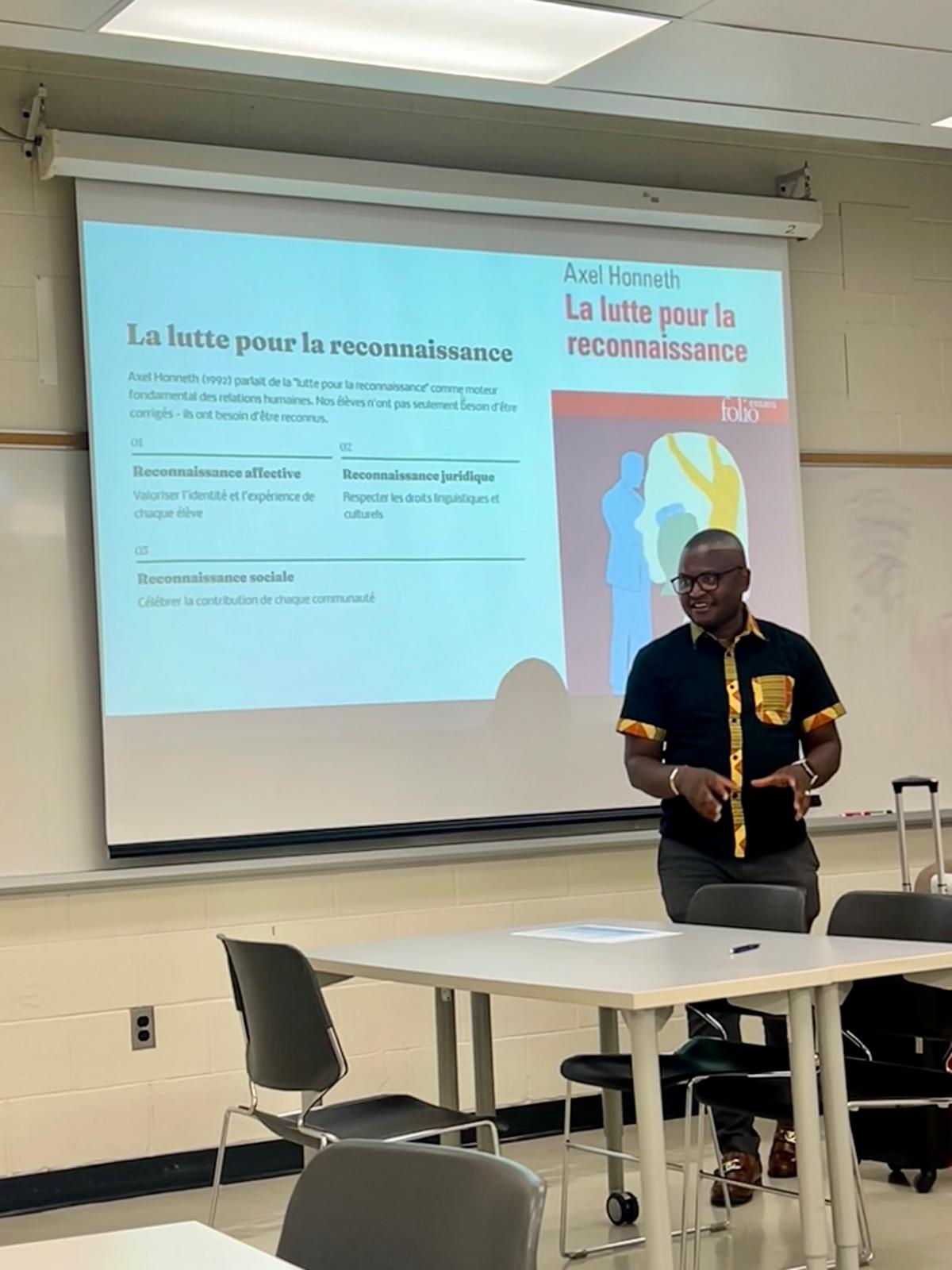
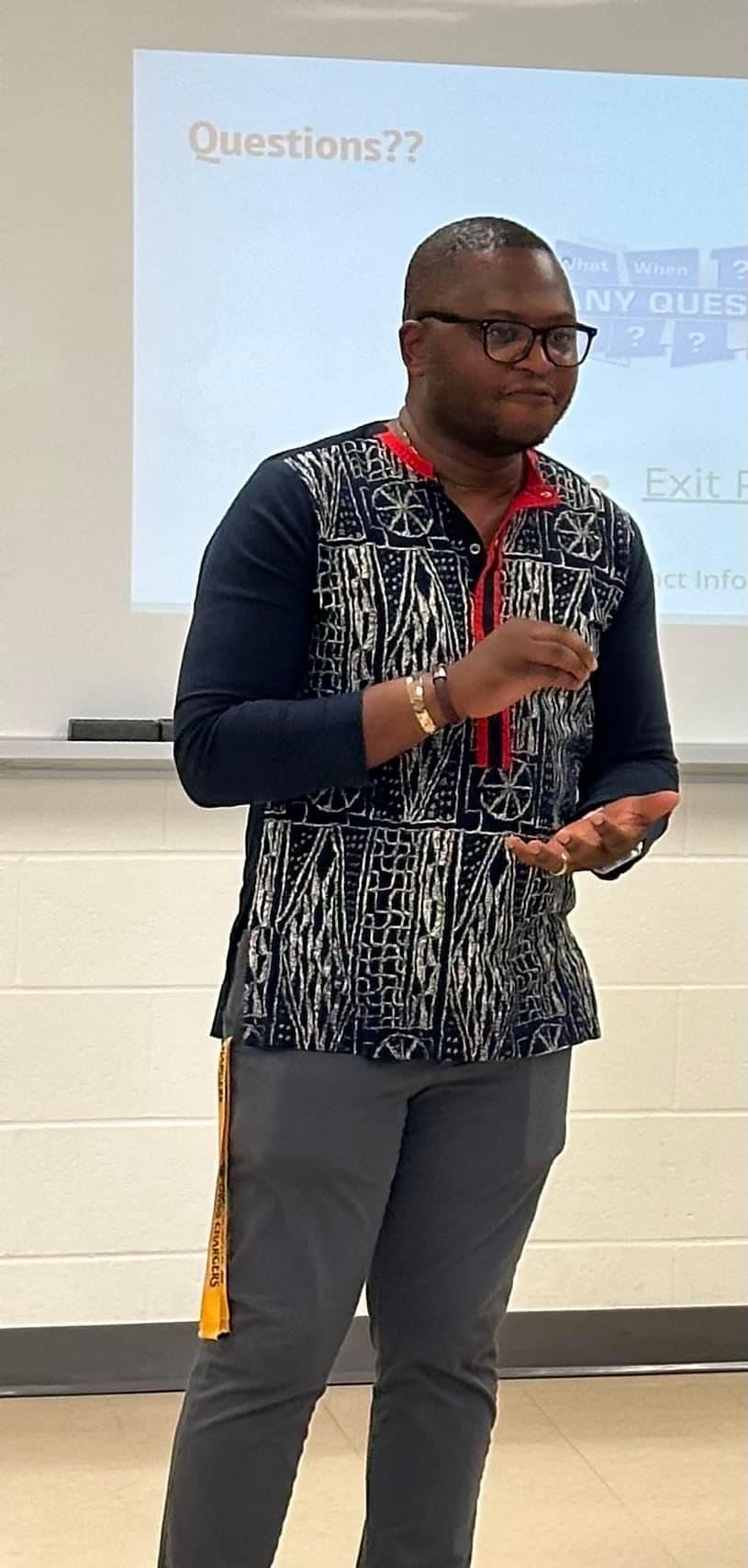
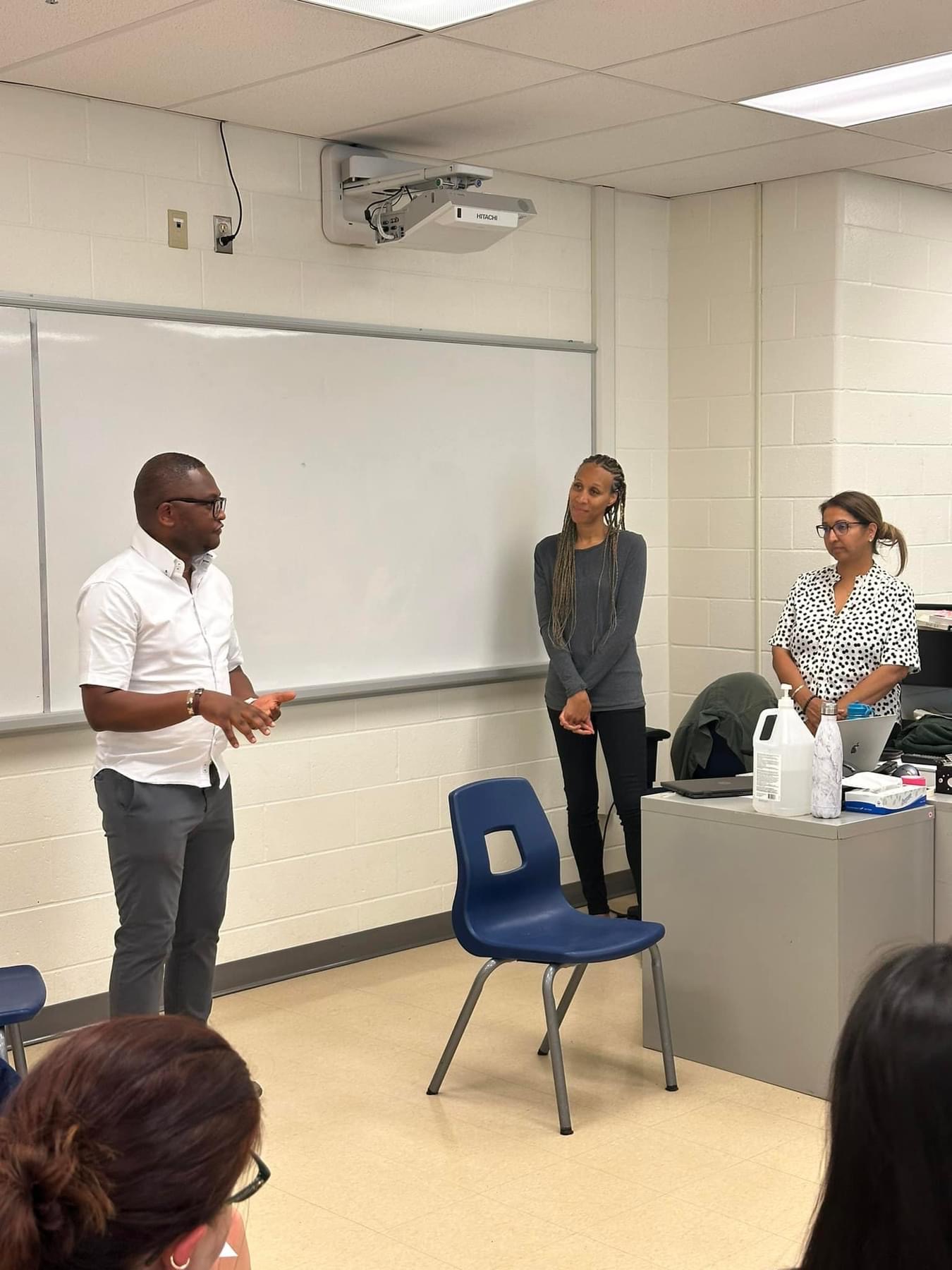
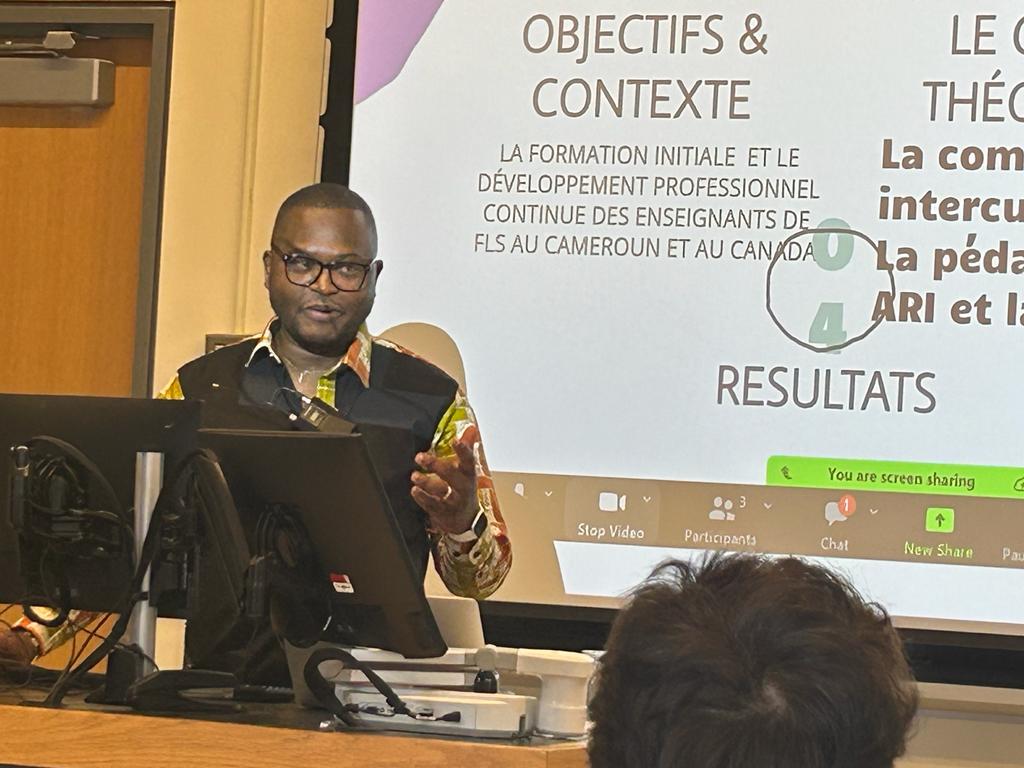
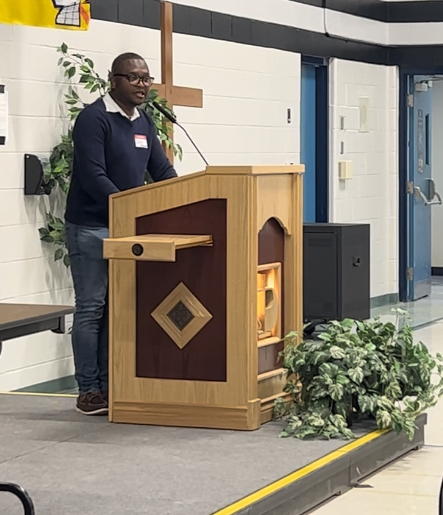
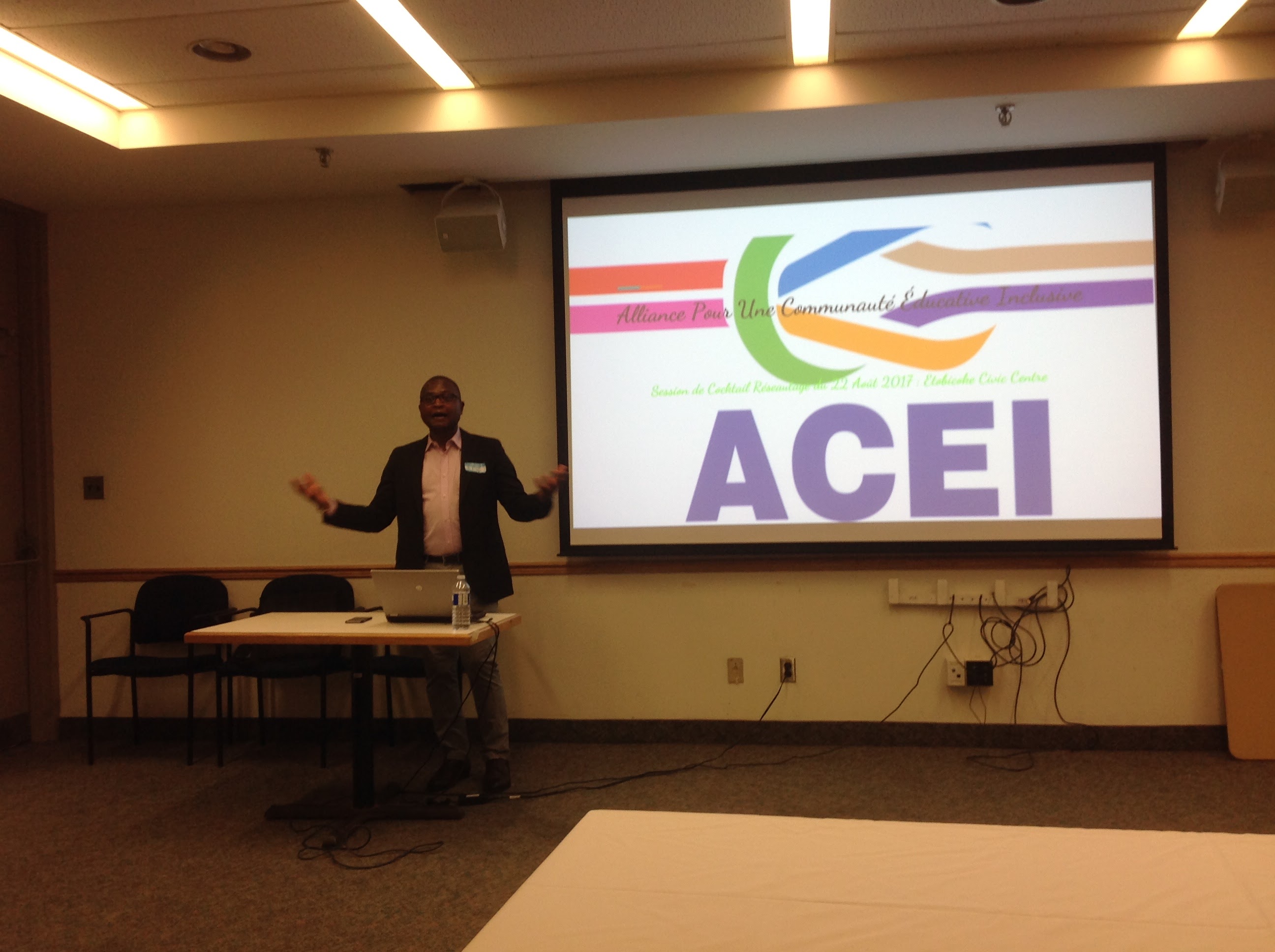
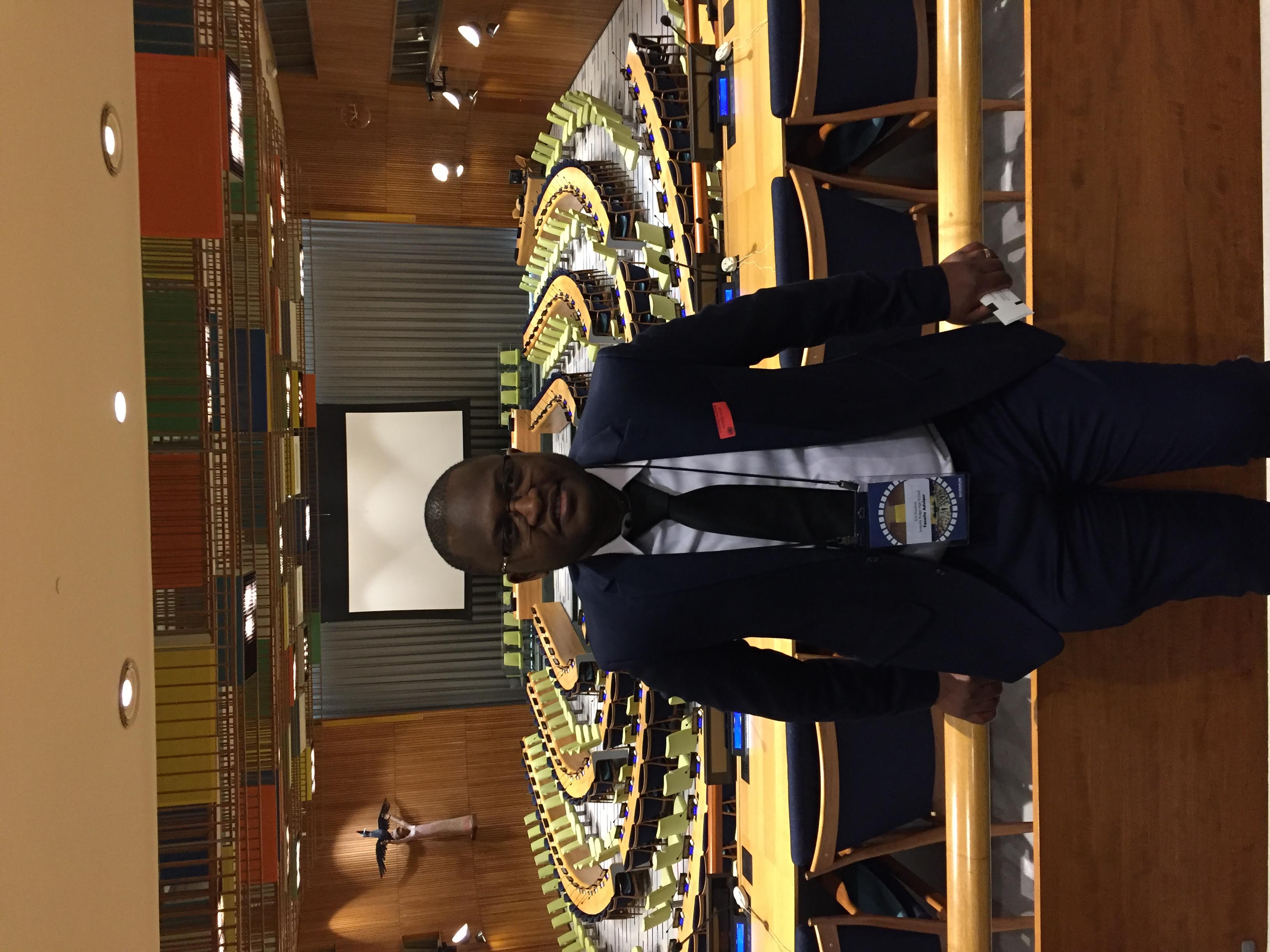
Download Curriculum Vitae (PDF)Teaching, speaking, and scholarly engagement across Cameroon, the UK, and Canada
Get in touch — email and professional links
For inquiries regarding teaching, research, or collaboration.
.jpg)

.jpg)